Finding family friendly video games that parents actually enjoy playing with their kids can feel overwhelming. Some games are too hard, some move too fast, and others quietly turn into solo screen time instead of shared fun. The good news is that late 2024 and 2025 brought a wave of games designed for cooperation, creativity, and connection. That makes this the perfect moment to refresh your family game night.
Playing together does more than fill time. It builds teamwork, communication, patience, and confidence—especially for kids ages 6–10. When parents sit down and play alongside their children, games become shared experiences instead of distractions. That’s exactly what the games below are built to encourage.
What Makes a Video Game Truly Family Friendly?
A family friendly video game does more than avoid mature content. It should feel welcoming, forgiving, and fun for players of different skill levels. Games that work well for families often include simple controls, clear goals, and flexible play styles that allow adults to help without taking over. This balance is what turns frustration into progress.
Another key factor is how the game supports shared play. Some games offer true co-op modes, while others shine when parents and kids take turns or make decisions together. Both styles can work beautifully when the experience encourages conversation and collaboration. With that in mind, let’s jump into the best new family friendly video games you can enjoy together.
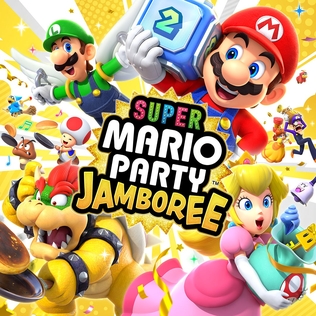
Super Mario Party Jamboree
Super Mario Party Jamboree is a top pick for families because it turns game night into a celebration. Packed with colorful boards and fast-paced mini-games, it gives every player a chance to win without needing advanced skills. Kids love the silly challenges, while parents appreciate how quickly everyone can jump in. This makes it ideal for mixed ages and attention spans.
Parents consistently praise how the game keeps competition light and playful. Mini-games rotate quickly, rules are easy to follow, and losing never feels harsh. That combination keeps kids engaged without emotional meltdowns. Once families see how smoothly it runs, they often come back for “just one more round.”
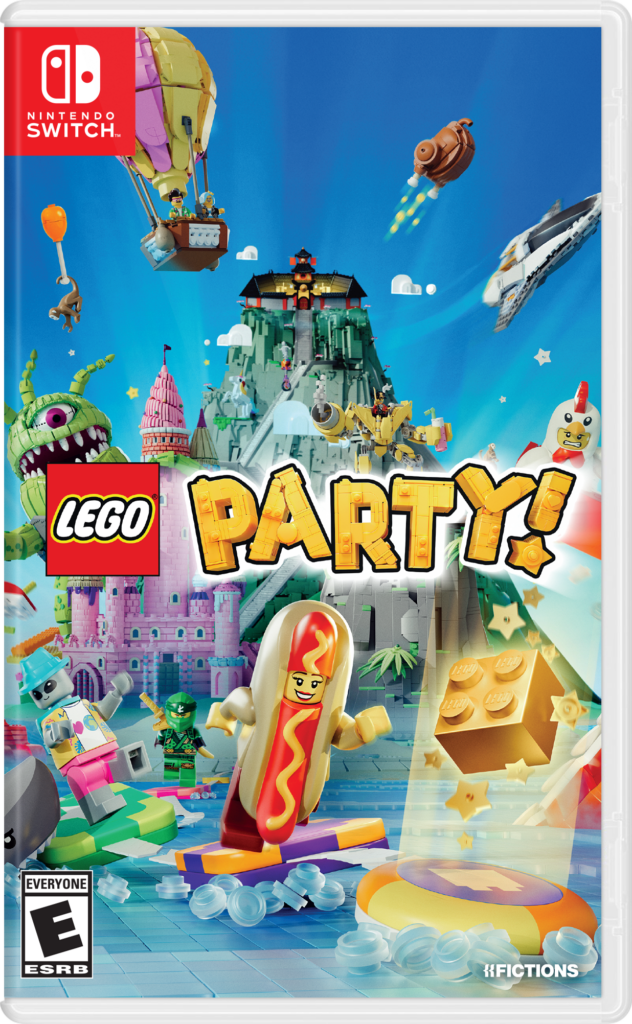
LEGO Party
LEGO Party blends the best parts of classic party games with LEGO’s signature humor and creativity. Designed for local multiplayer, it offers short, playful challenges that feel approachable for younger kids while still being entertaining for adults. The visuals are bright, silly, and instantly familiar. This helps kids feel confident from the moment the game starts.
Parents love that LEGO Party rewards teamwork just as much as winning. Kids can experiment, laugh at mistakes, and learn rules without pressure. Because each mini-game is quick, it’s easy to stop at a natural break point. That makes this a strong choice for busy evenings or short family play sessions.
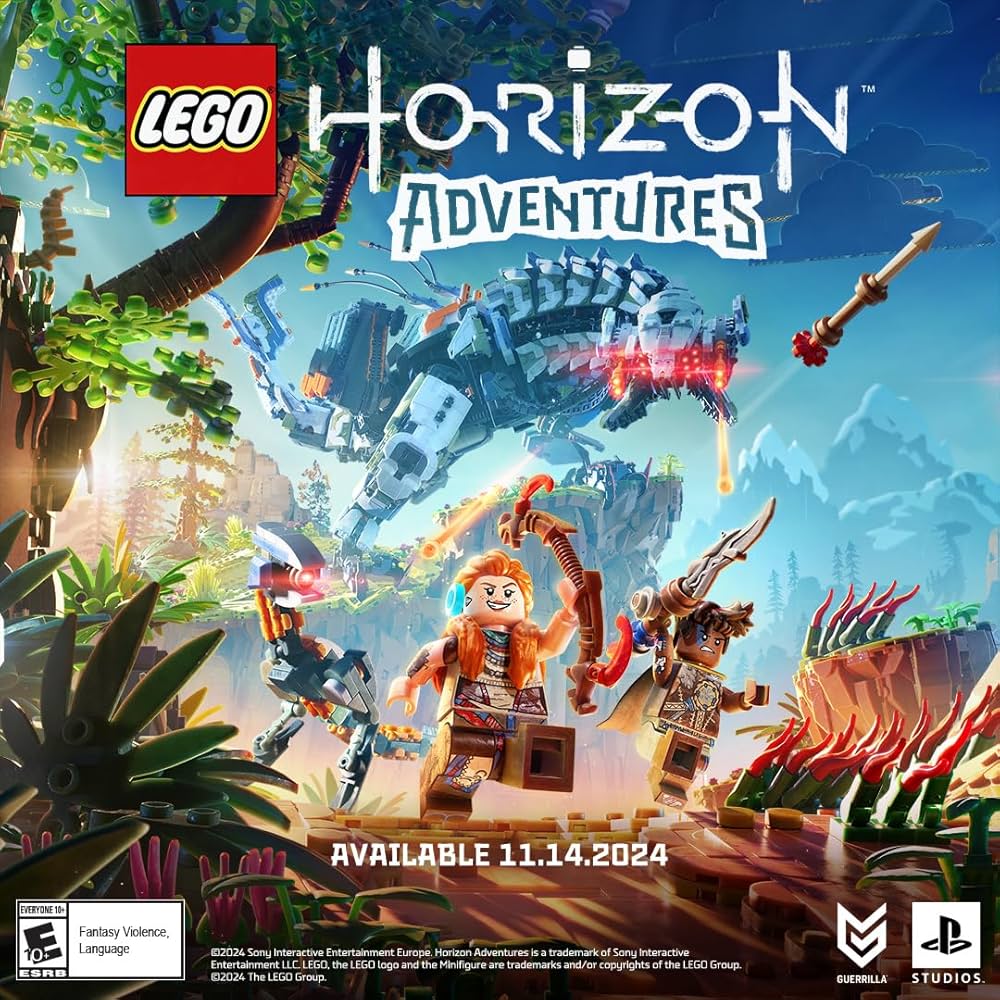
LEGO Horizon Adventures
LEGO Horizon Adventures delivers cooperative action wrapped in humor and charm. Parents and kids explore together, solve puzzles, and tackle enemies in a way that feels lighthearted instead of stressful. The LEGO style keeps everything playful, even during action moments. This makes it easier for kids to try new challenges without fear.
Customer reviews often mention how fun it feels to play side by side. Adults can help guide tougher moments, while kids take the lead in exploration and discovery. The shared victories feel earned, not rushed. That sense of teamwork is what keeps families coming back to the story.
The Legend of Zelda: Echoes of Wisdom
The Legend of Zelda: Echoes of Wisdom is a wonderful option for families who enjoy thinking and problem-solving together. While it is a single-player game, it works beautifully as a shared experience. Parents and kids can talk through puzzles, plan strategies, and take turns exploring the world. This turns gameplay into a conversation instead of a solo activity.
Parents appreciate how the game emphasizes creativity over combat. Kids feel proud when their ideas help solve challenges, even if an adult handles the controls at times. The pacing allows families to slow down and enjoy the journey. That thoughtful design makes it a strong fit for meaningful play.
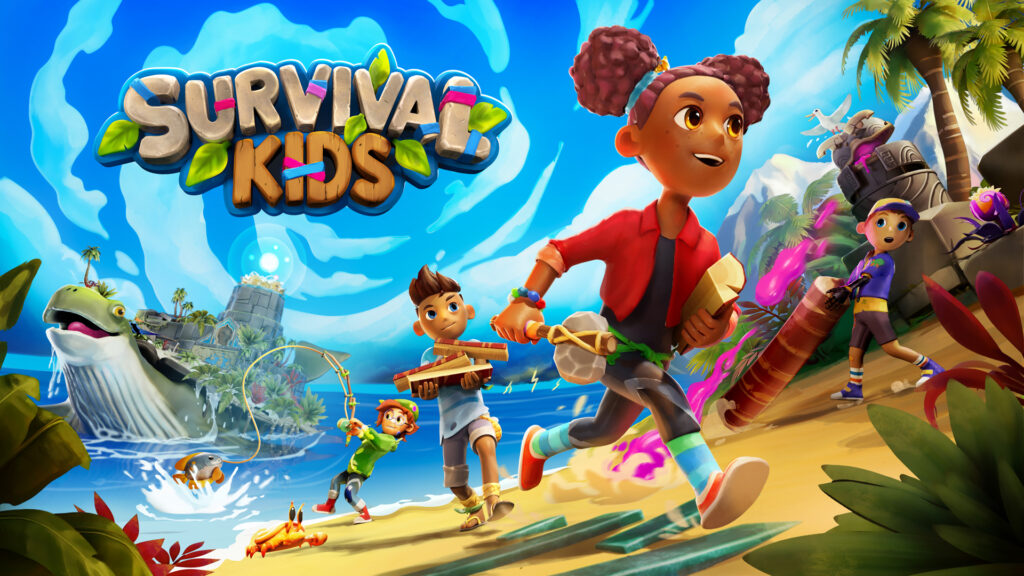
Survival Kids
Survival Kids encourages teamwork through problem-solving and planning. Instead of fast action, the game focuses on making smart choices together, like gathering supplies or deciding what to build next. Parents and kids often talk through each step. This turns survival mechanics into learning moments.
Families enjoy how the game sparks discussion and cooperation. Kids feel included when their ideas help the group succeed. Parents appreciate that challenges feel thoughtful rather than overwhelming.
That shared decision-making keeps everyone invested.
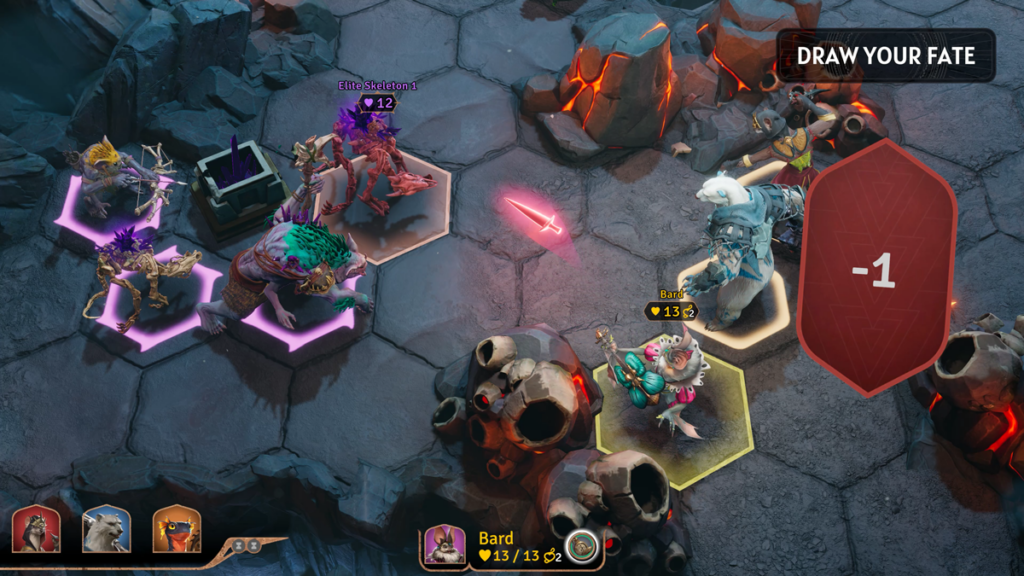
Sunderfolk
Sunderfolk feels like a digital board game built for families. With turn-based gameplay and cooperative goals, it encourages patience, planning, and teamwork. Kids can take their time, and parents can explain choices as they go. This structure makes strategy feel accessible.
Parents often mention how well the game supports conversation. Each turn becomes a chance to discuss options and celebrate progress. Because sessions can be short, it’s easy to fit into family routines. That flexibility makes it great for regular game nights.
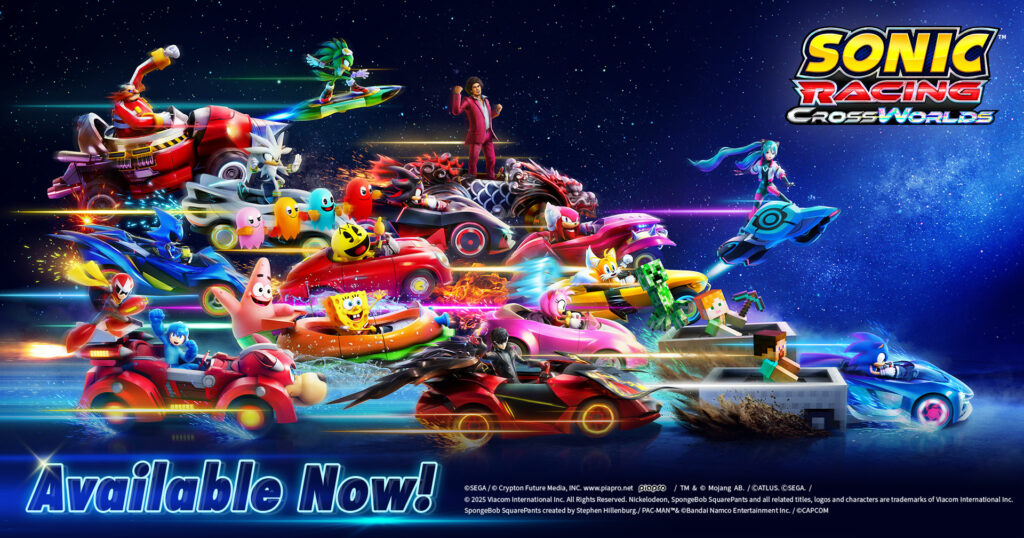
Sonic Racing: CrossWorlds
Sonic Racing: CrossWorlds brings high-energy excitement without complicated controls. Races are fast, colorful, and easy to understand, making it simple for kids to jump in. Parents can adjust settings to keep competition friendly. This keeps races fun instead of frustrating.
Families love how quick matches make it easy to play multiple rounds without burnout. Kids enjoy the characters and speed, while parents appreciate the accessibility. It’s a great way to end game night on a high note. That balance makes racing together feel rewarding.
Why Family Friendly Video Games Matter
Family friendly video games give parents and kids a shared space to connect. They create opportunities to practice communication, problem-solving, and emotional regulation in a way that feels fun. When parents play alongside their children, screen time becomes relationship time. That shift changes how games fit into family life.
By choosing games designed for cooperation and creativity, families can turn everyday moments into lasting memories. Whether it’s laughing through mini-games or planning strategies together, these experiences add up. That’s what makes family friendly video games worth inviting into your home.
Learn how to play Minecraft with your child in this fun, beginner-friendly guide for parents. Explore, build, and bond together!