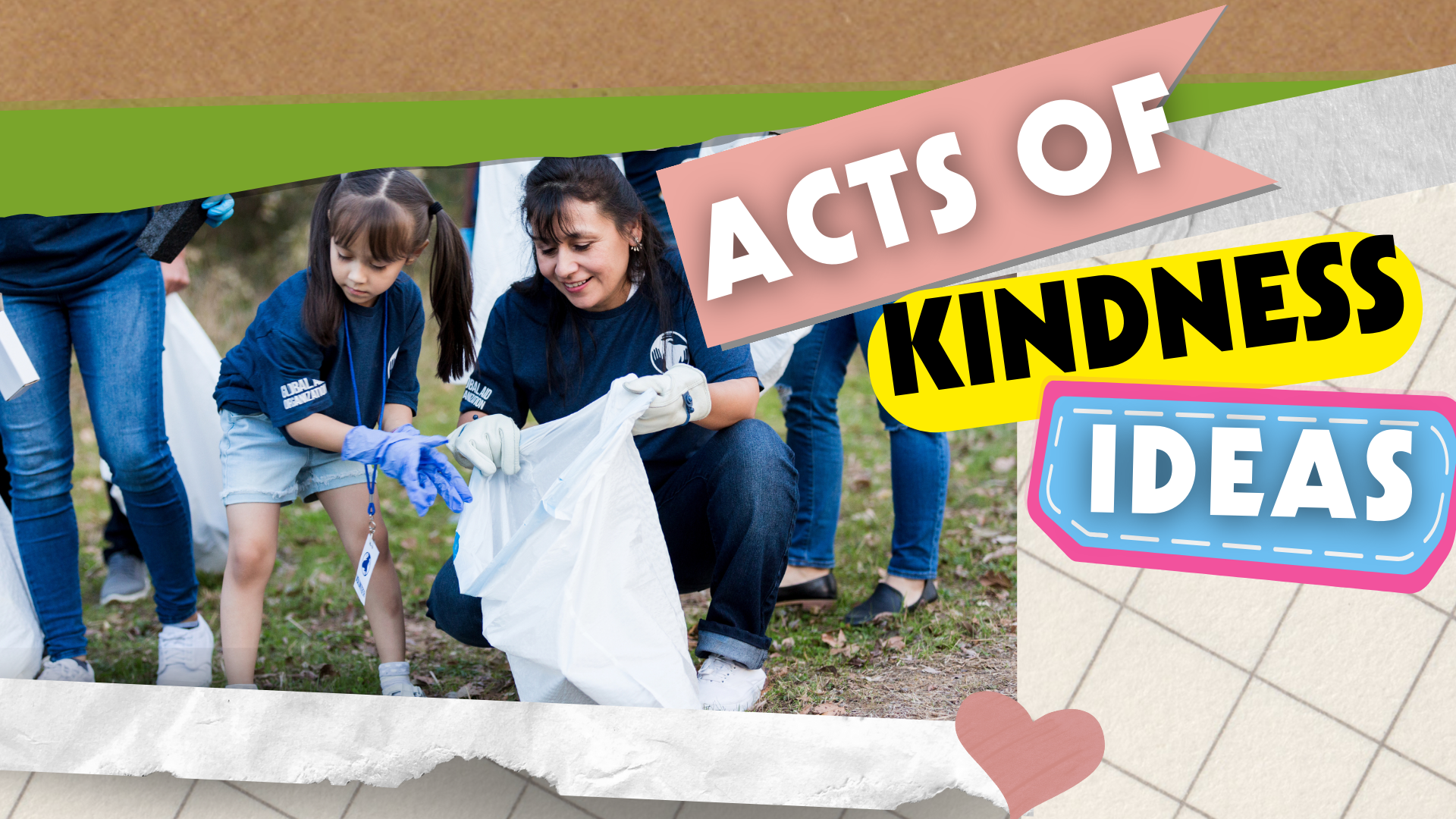
The Week of Kindness is a wonderful opportunity for families to slow down and focus on empathy, gratitude, and helping others. For parents of kids ages 6–10, this week is a perfect time to introduce simple habits that build kindness into everyday life. By using easy, age-appropriate week of kindness ideas, families can turn meaningful moments into lasting lessons.
As we explore how to celebrate kindness together, it helps to start by understanding what this week is all about.
What Is the Week of Kindness?
The Week of Kindness is a themed awareness week that encourages kids and families to practice kindness through everyday actions. It focuses on helping children learn empathy, respect, and compassion at home, at school, and in their community. Instead of grand gestures, the goal is to show kids that small, thoughtful actions matter.
Once parents understand the purpose of the week, it becomes easier to explain it to kids in a way that feels positive and exciting.
How Did the Week of Kindness Get Started?
The idea behind kindness-focused weeks grew from character education and social-emotional learning programs. Schools and communities wanted ways to teach children how their actions affect others, reduce bullying, and improve relationships. Over time, families also began using kindness weeks at home to reinforce these lessons.
Knowing where the Week of Kindness came from helps parents see why it continues to be so meaningful today.
Why Teaching Kindness Matters for Kids Ages 6–10
During ages 6–10, children are learning how to manage emotions, form friendships, and understand fairness. Teaching kindness during this stage helps kids build empathy, improve communication, and gain confidence. When kids practice kindness, they also learn how to handle conflict and include others.
With that foundation in mind, parents can use practical week of kindness ideas to help kids practice these skills daily.
10 Week of Kindness Ideas Parents Can Do With Kids
Now that we understand why kindness matters, let’s explore simple, realistic activities families can do together throughout the week.
Make a Kindness Jar
To begin the week, create a kindness jar together. Write kind actions on slips of paper, such as helping a sibling or saying thank you, and let your child pick one each day. This makes kindness feel fun and intentional, and it gives kids something to look forward to.
After starting with a daily reminder, you can build on this momentum with words of appreciation.
Write Thank-You Notes
Next, encourage your child to write or draw thank-you notes for teachers, neighbors, or family members. This helps kids recognize the people who support them and express gratitude in a meaningful way.
Once kids practice gratitude, they are often more aware of how their words affect others.
Try a Compliment Challenge
Another easy idea is a compliment challenge. Ask your child to give three genuine compliments throughout the day. Compliments help kids practice noticing positive traits in others and boost confidence on both sides.
As kids become more comfortable using kind words, they can also learn kindness through helpful actions.
Do a Secret Kindness Chore
Have your child choose a chore to do for someone else without being asked. This could be making a bed, feeding a pet, or setting the table. Secret acts of kindness teach kids that helping others doesn’t always need recognition.
From helpful actions at home, families can extend kindness beyond their own walls.
Donate Toys or Books
Let your child pick gently used toys or books to donate. Talk about where the items will go and how they might help another child. This helps kids understand generosity and empathy in a concrete way.
After giving to others, creative expression can reinforce kind messages.
Create Kindness Art
Encourage kids to make posters, drawings, or cards with kind messages. These can be displayed at home or shared with friends and family. Art gives children a creative way to express positive feelings.
Once creativity is involved, kindness can become even more fun.
Play Family Kindness Bingo
Create a simple bingo card with actions like sharing, helping, or including someone. As kids complete activities, they mark their card. This game-style approach keeps kids engaged while reinforcing positive behavior.
From games, families can take kindness into their neighborhoods.
Go on a Kindness Walk
Take a walk together and look for ways to spread kindness. Pick up litter, smile at neighbors, or leave encouraging sidewalk chalk messages. This shows kids that kindness can happen anywhere.
As the day winds down, reflection helps solidify what kids have learned.
Read a Kindness-Themed Book
Choose a book that focuses on empathy, friendship, or helping others. Pause to ask questions about how characters show kindness and how kids might act in similar situations.
After discussing stories, reflection can help kids connect lessons to real life.
End the Day With a Kindness Reflection
Each evening, ask your child one simple question, such as “What was one kind thing you did today?” This builds awareness without pressure and helps kindness become a habit.
Once these activities are complete, parents can focus on keeping kindness going.
Tips for Making Kindness a Daily Habit
To keep kindness from being a one-week event, parents should model kind behavior, praise effort, and keep expectations realistic. Talking openly about feelings and choices helps kids understand why kindness matters. Most importantly, consistency makes kindness feel natural.
With these tips in place, families can move from a themed week to everyday practice.
Conclusion
The Week of Kindness is more than a special event—it’s a chance for families to build lifelong habits together. By using simple week of kindness ideas, parents can help kids ages 6–10 develop empathy, confidence, and strong social skills. Small acts, practiced daily, can make a big difference in how kids treat others and see themselves.
Looking to help your child develop their creativity? Unlock their imagination and help them thrive with these easy-to-follow tips. Start fostering your child's creativity today!