Women in video game history help shape the games your family plays today. They design characters, build technology, and lead major studios. Their ideas change how stories unfold and how players connect. When parents and teachers share these stories, kids see new possibilities in technology and creativity. Now let’s explore the women who lead this change.
Why it's Important to Teach Kids About Women in Gaming
Women bring new ideas and fresh voices into game design. They help expand who feels welcome in gaming. Their work supports stronger stories, smarter systems, and better leadership. When kids learn about women in video game history, they understand that innovation belongs to everyone. With that in mind, let’s meet some of the pioneers.
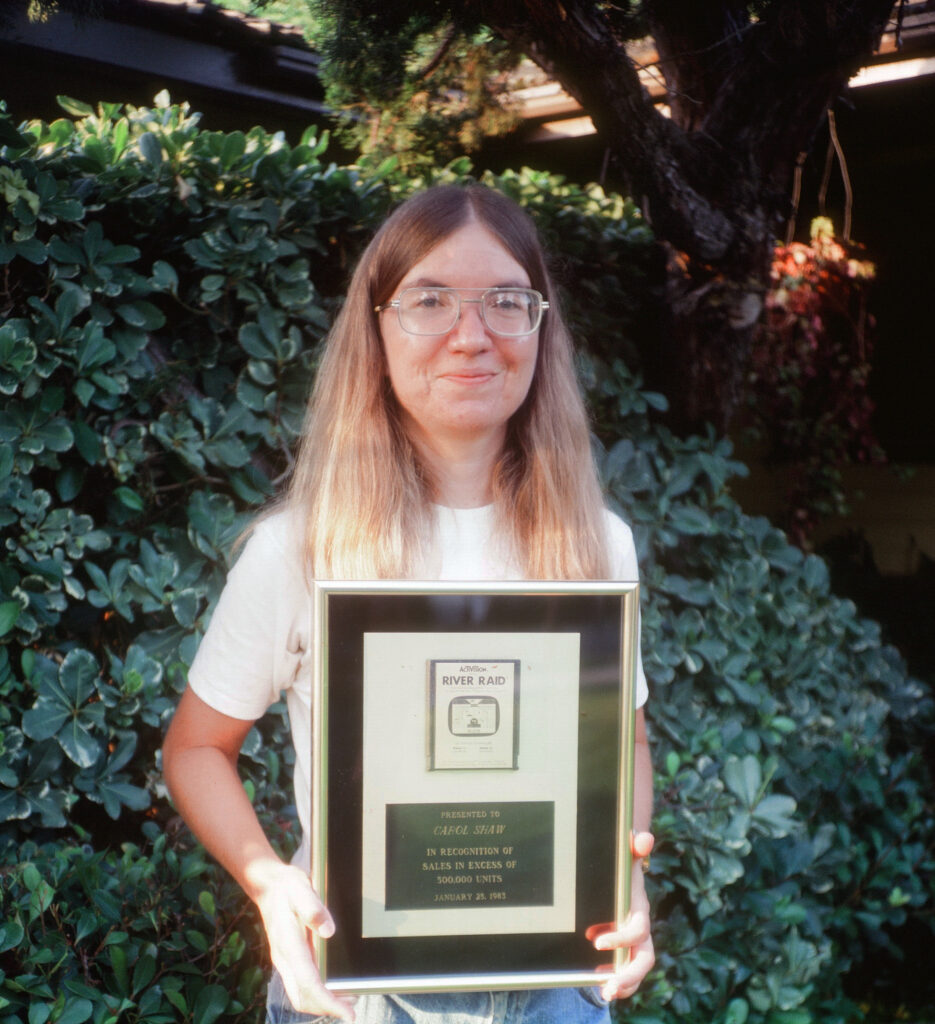
Carol Shaw — Early Console Programmer
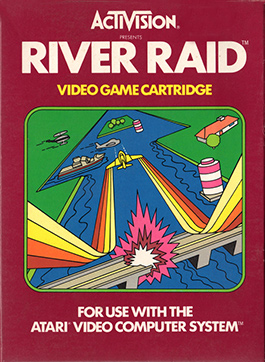
Carol Shaw becomes one of the first women video game programmers. She develops River Raid for the Atari 2600. She writes efficient code that pushes the limits of early consoles. Her success proves that technical skill drives innovation. Her example opens doors for more women in engineering roles.


Danielle Bunten Berry — Multiplayer Visionary
Danielle Bunten Berry designs games that focus on connection. She creates M.U.L.E., which blends competition and cooperation. She believes games should bring people together. Her ideas influence modern online multiplayer systems. Because of her vision, social gaming grows stronger.
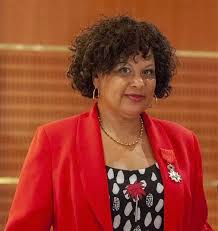

Muriel Tramis — Adventure Game Pioneer (1980s)
Muriel Tramis becomes one of the first Black women game designers. She creates adventure games in the 1980s that explore history and identity. Her work expands what stories games can tell.

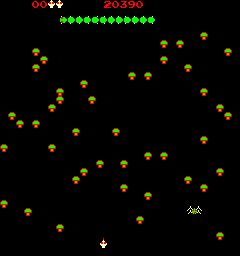
Dona Bailey — Arcade Game Designer
Dona Bailey designs Centipede, one of the most famous arcade games. She creates bright visuals and smooth controls that attract a wide audience. She focuses on gameplay that feels welcoming and exciting. Her design helps arcades grow beyond one type of player. Her work shows how thoughtful design expands communities.


Corrinne Yu — Graphics Engineering Leader (1990s–Present)
Corrinne Yu leads graphics engineering on major franchises like Halo. She helps push real-time rendering and physics systems forward. She brings deep technical skill to AAA development. Her work strengthens how games look and feel. Because of engineers like her, modern visuals reach cinematic quality.
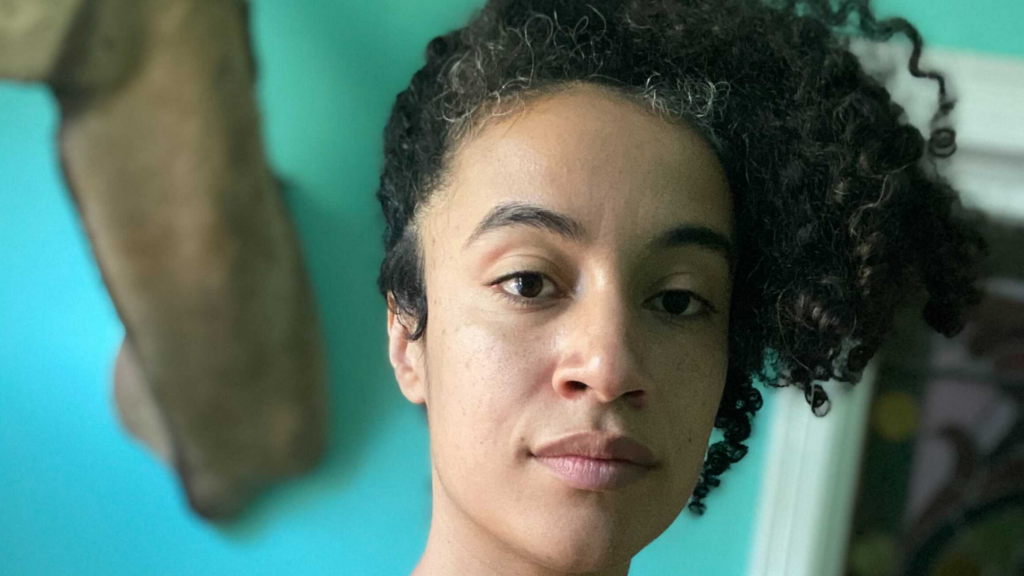
Kim Belair — Indie Studio Co-Founder (2010s–Present)
Kim Belair co-founds Sweet Baby Inc., a narrative development studio. She supports inclusive storytelling in major titles like Marvel Spider-Man 2, God of War: Ragnarök, Far Cry: New Dawn, and many others! She works with studios to improve character depth and representation. Her leadership helps shape how modern stories reflect diverse players. Her influence reaches across today’s industry.

Jade Raymond — Studio Executive and Builder
Jade Raymond leads large development teams. She helps launch the Assassin’s Creed franchise. She supports global studios and mentors new creators. Her work highlights the power of leadership in gaming. Her career shows that women shape not only games but entire companies.
Timeline of Women in Video Game History
- 1970s–1980s: Carol Shaw programs early console hits.
- 1980s: Roberta Williams expands adventure storytelling.
- 1981: Dona Bailey designs a top arcade game.
- 1980s: Danielle Bunten Berry pioneers multiplayer systems.
- 2000s: Amy Hennig elevates cinematic storytelling.
- 2000s–2010s: Jade Raymond leads major franchises.
This timeline helps students see how women in video game history influence every era of gaming.
How Parents and Teachers Can Use This Article
You can turn this blog into a learning activity. Ask kids which designer inspires them most. Encourage students to research one woman and present her impact. Connect these stories to STEM lessons about coding, art, or leadership. These conversations build confidence and curiosity. When we teach these stories, we shape the next generation of creators.
Conclusion
Women in video game history shape the stories, systems, and studios that define modern gaming. Their work proves that innovation grows from many voices. When families and classrooms share these stories, they inspire the next wave of designers and leaders. The gaming world continues to evolve because these pioneers lead the way. And this conversation sets the stage for highlighting rising women shaping gaming right now.