
ESRB and Content Maturity: Navigating the Shift from 'Everyone' to 'Teen'
When kids shift from building block worlds to competitive shooters, party planning gets tricky. E-rated titles easily thrill younger groups, but older kids demand higher-stakes action. Balancing this teenage "cool factor" with age-appropriate video game selection for parties requires strict content filtering so nobody plays something unauthorized by their guardians. Professional operators solve this headache using standardized parental consent protocols. If the guest of honor wants a T-rated or M-rated title, the host simply includes a quick digital permission slip with the invitations. This maintains strict ESRB rating guidelines for mobile gaming events and prevents angry texts from surprised parents later that night. To keep guests perfectly entertained without crossing any household boundaries, try curating this specific lineup before the truck arrives:- E-Rated Classics: Mario Kart and Minecraft (safe, familiar fun for everyone).
- Bridge Games: Super Smash Bros and Rocket League (competitive but cartoonish, offering broad appeal).
- Teen Favorites: Fortnite and Madden (undeniably the best multiplayer titles for teen birthday celebrations, pending consent).
Cooperation vs. Competition: Engineering the Right Social Dynamic
Throwing ten kids into a multiplayer environment requires understanding how they actually want to interact. To prevent frustrating meltdowns, focus on cooperative gameplay for elementary schoolers. Younger guests thrive when working together on a single team to achieve a goal, sharing victories rather than fighting over who won. Older groups, however, bond entirely differently. The social dynamics of competitive teen gaming rely heavily on friendly rivalry and playful trash-talking. This is why "splitscreen" dynamics where players share one TV divided into sections are absolutely essential for teenagers wanting to instantly react to their friends' on-screen mistakes. This competitive socializing perfectly explains the massive popularity of "battle royale" games, where everyone fights until only one player survives. It also highlights stark differences in attention spans for mobile gaming sessions; a seven-year-old switches activities every fifteen minutes, while teens will intensely focus on one high-stakes match for two straight hours. Managing these distinct behaviors guarantees peace of mind and keeps everyone actively engaged. Properly engineered teamwork and rivalry require a perfectly matched physical environment.
Atmosphere and Sensory Needs: From Sensory Overload Protection to 'The Pro-Gamer Vibe'
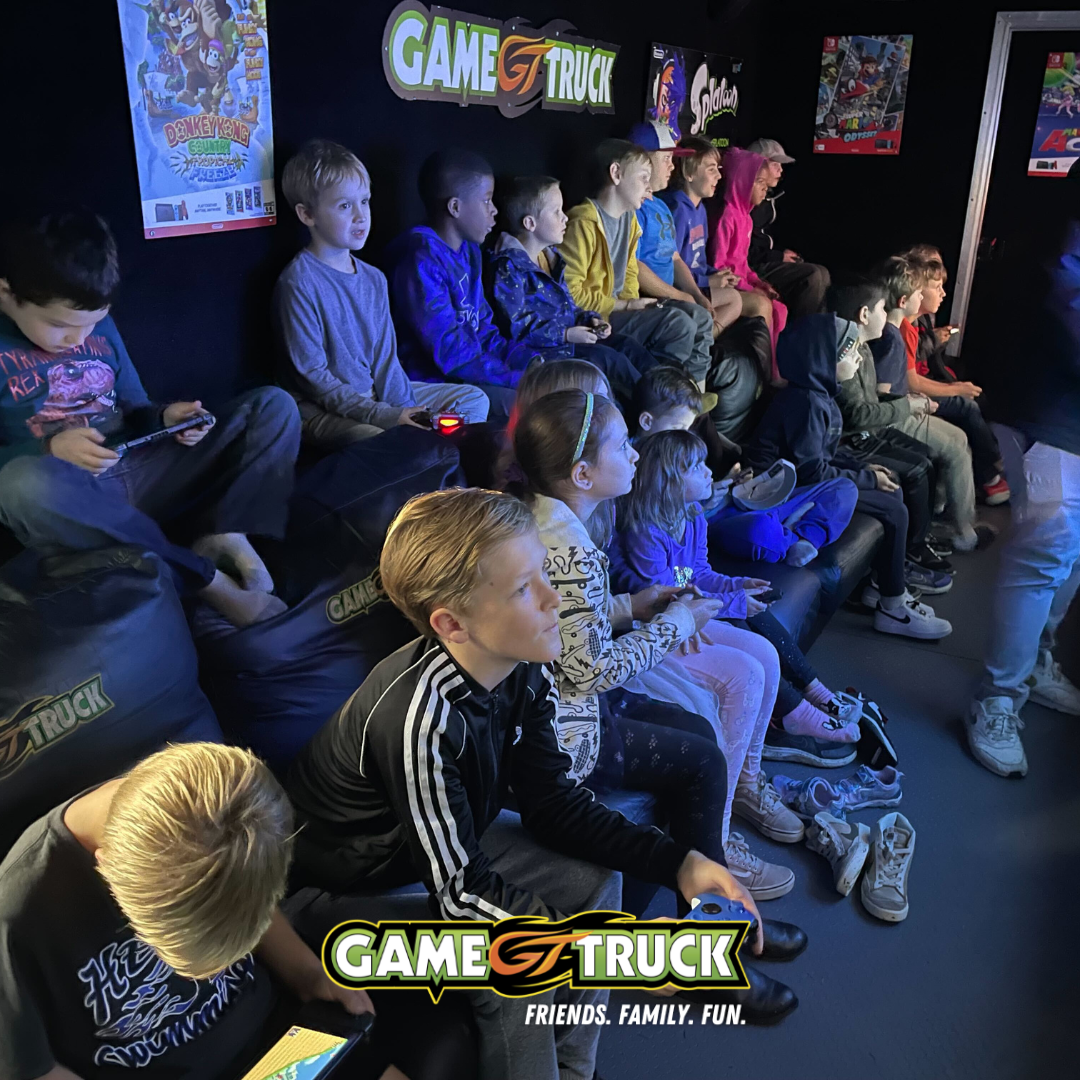
Stepping into a mobile arcade is thrilling, but the atmosphere must match the age group. When managing screen time and sensory overload in kids, controlling the physical environment is just as vital as picking the right games. Always evaluate your vendor using this checklist of physical features:- Adjustable LED lighting (bright for kids, neon for teens)
- Reliable climate control to keep crowded spaces comfortable
- Tiered seating types to maximize floor space
The Game Coach’s Evolving Role: From Instructor to High-Stakes Referee
Understanding professional game coach roles for different age groups is the secret to a stress-free event. For younger kids, this staff member is a patient teacher and tech support. Seven-year-olds often struggle to navigate menus or share screens. A great coach steps in to fix disconnected controllers, ensuring kids actually play while you relax. As adolescents mature, group gaming dynamics shift to intense competition. Teenagers do not need help holding a controller; they need tournament management. The coach transforms into a referee who organizes staff-moderated competitive play and keeps the energy positive, preventing the toxic trash-talking that can easily ruin a middle school birthday. Always ask the vendor about staff-to-kid ratios before booking. A solo coach can easily handle twelve older teenagers, but fifteen first-graders usually require an extra assistant. Securing the right personnel guarantees a developmentally appropriate gaming party.
Your Age-Appropriate Booking Checklist: The 3-Step Success Plan
Tailoring a standard gaming truck rental into either a safe kids' zone or a sleek, competitive teen lounge requires vetting the host. When assessing family-friendly game truck rentals, ask vendors these specific questions:- How do you handle physical space for larger teenagers?
- Does your setup meet the technology requirements for high-performance gaming trucks?
- How do your Game Coaches adjust their management style for older groups?